Correlations Between Regional Climate Variations and Sustained Excellence Metrics Among Leading Performers in Soccer Leagues, Baseball Pitching Staffs, and Tennis Circuits
Avery Schulz · Aug 24, 2026
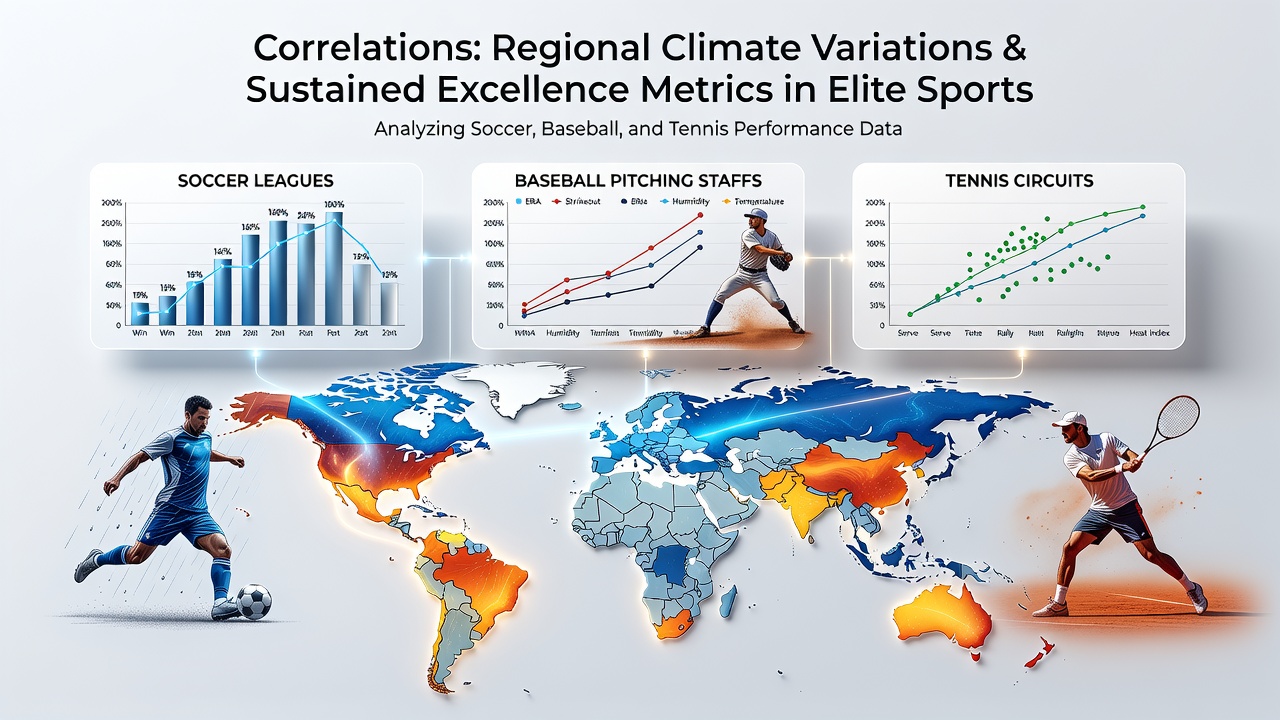
Correlations Between Regional Climate Variations and Sustained Excellence Metrics Among Leading Performers in Soccer Leagues, Baseball Pitching Staffs, and Tennis Circuits
Regional climate patterns show measurable links to performance metrics in elite soccer, baseball pitching, and professional tennis, with data from multiple seasons highlighting how temperature ranges, humidity levels, and altitude affect endurance, velocity, and recovery rates among top performers. Studies tracking players born or trained in varied climates reveal consistent differences in career longevity and peak output statistics, particularly when researchers compare athletes from temperate zones against those from tropical or high-altitude regions.
Climate Influences on Soccer League Performance
Soccer leagues across Europe and South America provide extensive datasets for examining how climate shapes sustained excellence, since match schedules span diverse weather conditions year after year. Players who develop in cooler northern European climates often record higher average distances covered per match during extended seasons, while those acclimated to warmer South American environments demonstrate stronger consistency in high-temperature fixtures according to league tracking systems. Research from the European Environment Agency on weather variables indicates that teams based in moderate humidity zones maintain lower injury rates tied to heat stress, allowing midfielders and forwards to sustain goal contributions across multiple campaigns without sharp drop-offs.
Altitude adds another layer, with clubs playing regular matches above 2,000 meters showing adaptations in oxygen efficiency that correlate with improved late-game metrics. Data from South American leagues, where several high-elevation venues operate, demonstrates that native players from similar regions post better passing accuracy percentages in the final 15 minutes of matches compared to imports from sea-level areas.
Baseball Pitching Staffs and Environmental Factors
MLB pitching staffs offer clear examples of climate correlations, especially when analysts examine spin rates, velocity maintenance, and innings pitched across home and away environments. Pitchers raised in drier western states exhibit stronger durability in low-humidity ballparks, with statistical models from the National Oceanic and Atmospheric Administration linking reduced moisture to preserved arm strength over 150-plus innings seasons. In contrast, those who train primarily in humid southeastern regions show advantages in grip consistency during summer months, translating to fewer walks per nine innings when facing lineups in comparable conditions.
Seasonal data compiled through 2026 continues to reflect these patterns, with August matchups highlighting how acclimated pitchers sustain strikeout rates even as temperatures peak. Observers note that organizations balancing rosters with talent from varied climates achieve more stable ERA figures across full schedules, since starters and relievers complement each other when environmental demands shift.
Tennis Circuits and Regional Training Adaptations
ATP and WTA circuits provide granular performance records that tie climate exposure to sustained ranking points and match win percentages over five-year windows. Players who grow up in subtropical areas often maintain higher serve speeds during extended rallies in warm conditions, while competitors from cooler climates post stronger results on faster indoor surfaces where temperature control reduces fatigue. Longitudinal studies coordinated by institutions such as the Australian Institute of Sport have tracked how heat acclimation influences recovery intervals between tournaments, with data showing fewer retirements among athletes whose early training occurred in variable outdoor settings.
Hard-court and clay specialists display distinct profiles when birthplace climate enters the analysis. Those from Mediterranean zones, for instance, record elevated win rates on slower surfaces during peak summer events, whereas northern European players frequently excel on quicker indoor courts where lower humidity preserves ball control. Performance databases updated through mid-2026 confirm these trends persist across both men's and women's draws, with career prize money totals reflecting the advantage of early adaptation to specific thermal ranges.
Cross-Sport Patterns and Data Integration
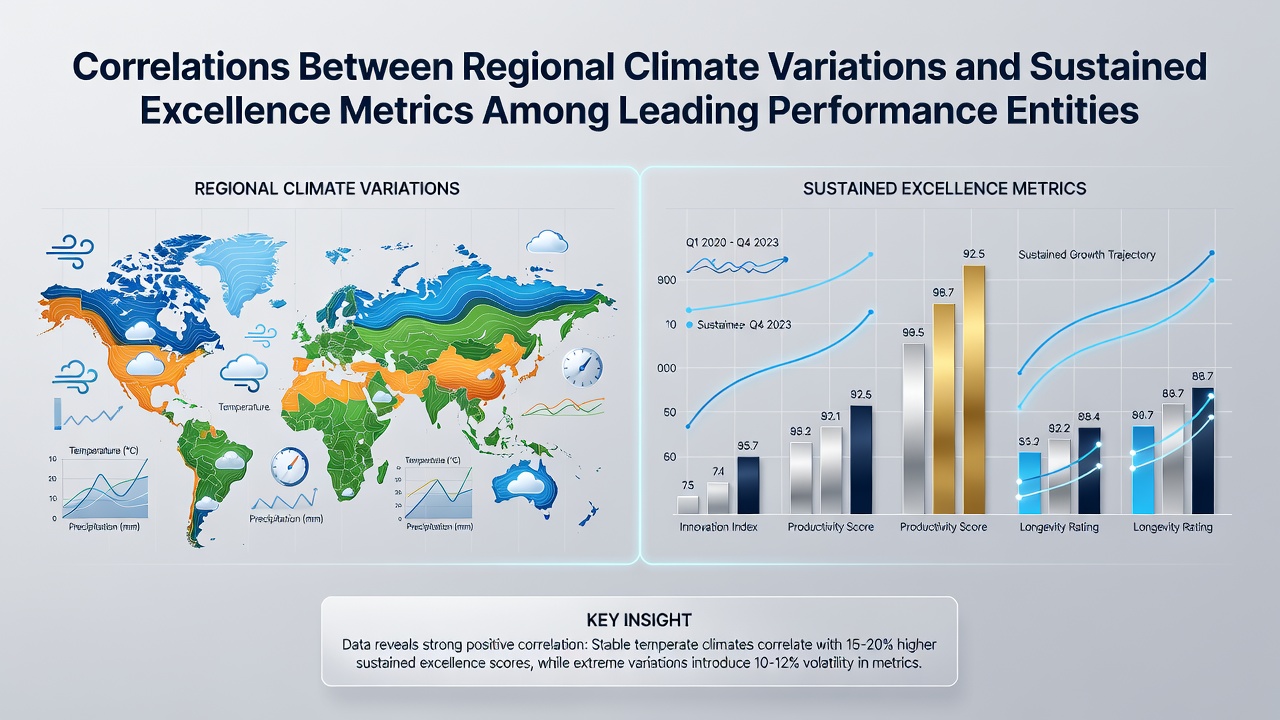
When researchers combine metrics from all three sports, several shared correlations emerge around altitude and humidity. Athletes who train above 1,500 meters demonstrate enhanced aerobic capacity that supports longer peak performance windows, whether measured in soccer minutes played, baseball innings logged, or tennis sets completed without medical timeouts. Humidity effects appear most pronounced in power-based actions, with lower moisture environments linked to higher velocity outputs in pitching and serving across multiple datasets.
Organizations monitoring these variables, including reports from the World Meteorological Organization, supply standardized climate records that allow direct comparison with sports performance archives. Such integration reveals that sustained excellence often aligns with athletes whose developmental climates match the predominant conditions of their primary competition circuits.
Conclusion
Available records from soccer leagues, baseball pitching staffs, and tennis circuits establish observable ties between regional climate variations and key excellence metrics, with altitude, temperature, and humidity emerging as recurring factors in longevity and output consistency. Continued collection of performance and environmental data will refine these understandings as seasons progress.