Evolution of Training Protocols Linking Olympic Success to Longevity in NFL and Premier League Careers
Ben Patterson · Jun 3, 2026
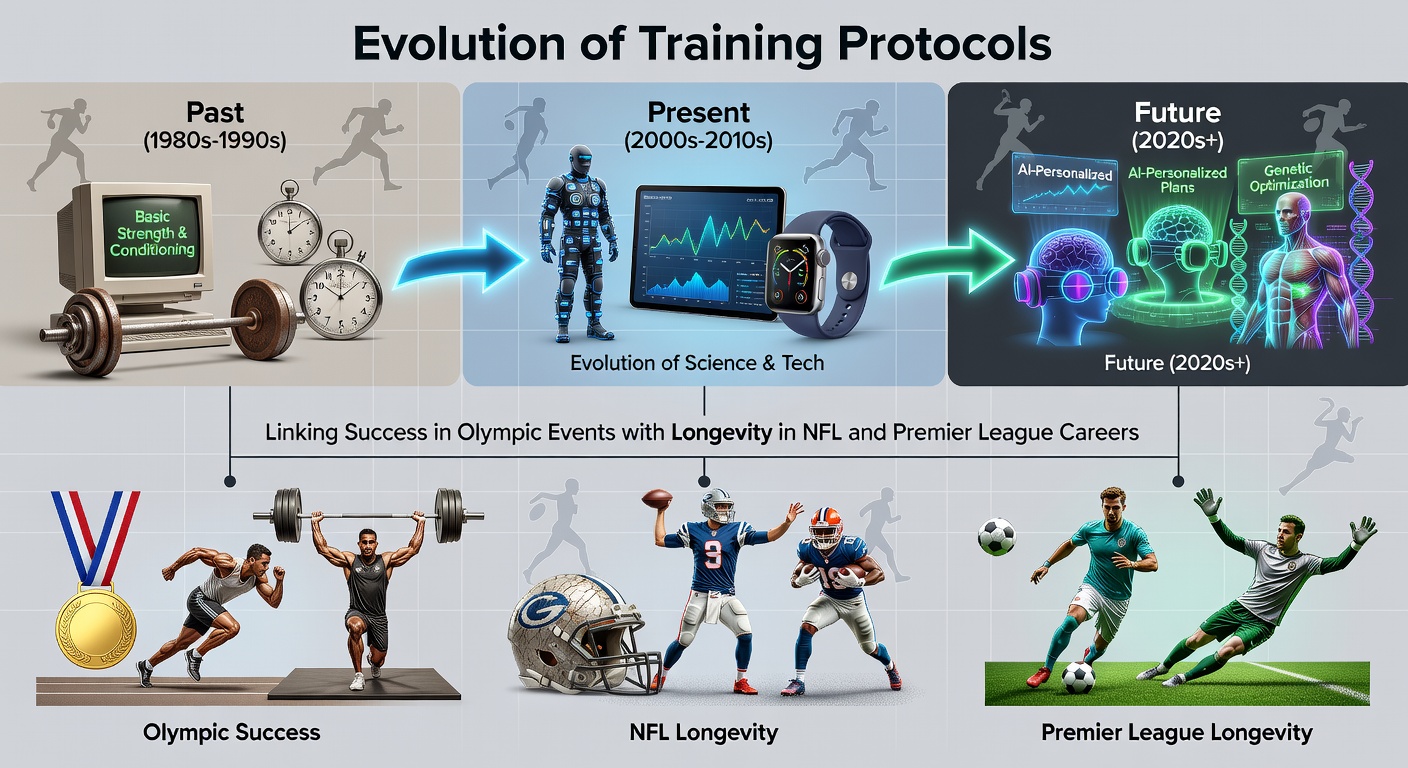
Evolution of Training Protocols Linking Olympic Success to Longevity in NFL and Premier League Careers
Training protocols have shifted dramatically over recent decades as coaches and performance staff draw direct connections between Olympic-level preparation methods and extended careers in the NFL alongside the Premier League. Olympic disciplines such as track and field, swimming, and rowing emphasize periodized loading, precise recovery windows, and biomechanical efficiency that translate into reduced injury rates and sustained high performance when applied to contact-heavy team sports.
Early Foundations in Cross-Disciplinary Approaches
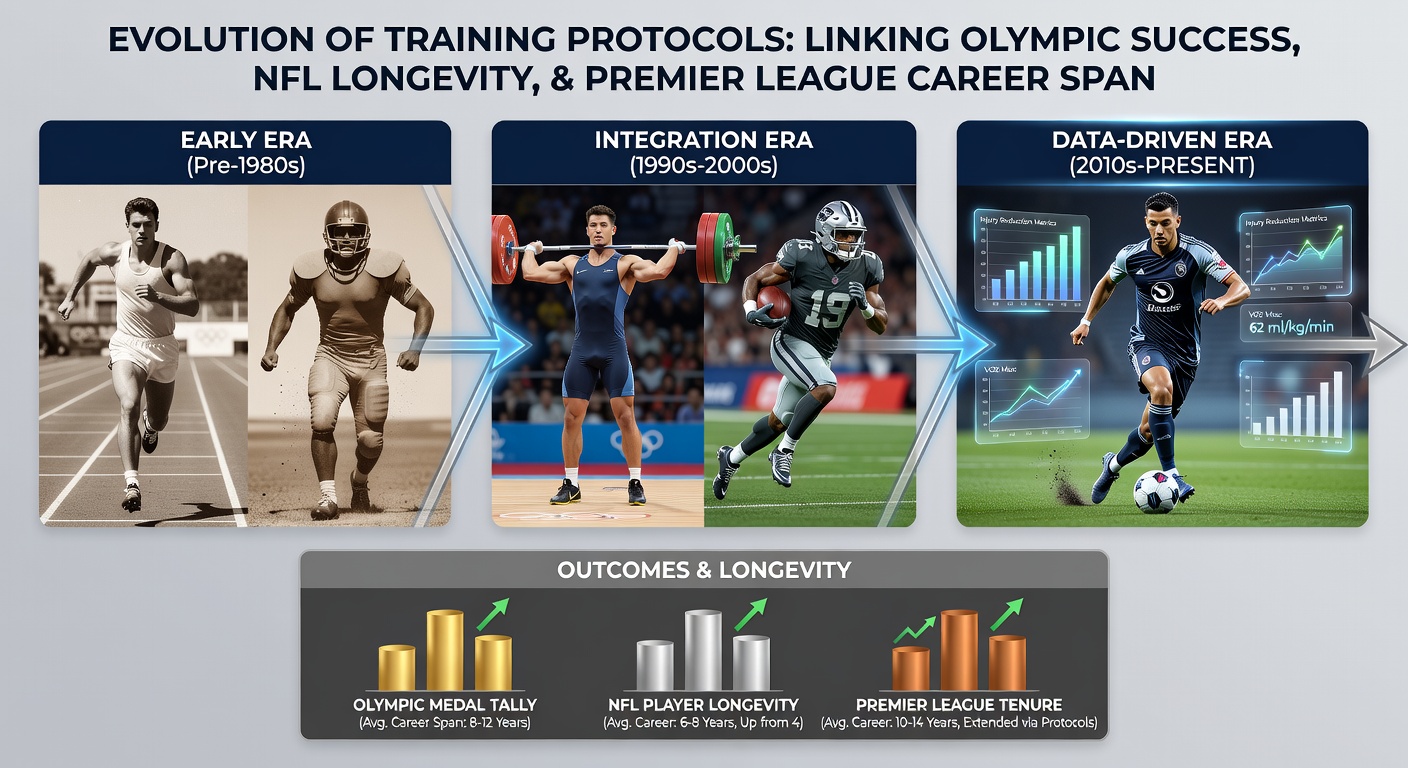
Researchers at institutions across North America and Europe began documenting these overlaps in the early 2000s when data from multi-year athlete tracking revealed that individuals with Olympic backgrounds maintained longer playing spans once they transitioned into professional leagues. Strength and conditioning programs started incorporating elements like undulating periodization originally refined for Olympic weightlifters, allowing NFL linemen and Premier League midfielders to handle higher weekly workloads without cumulative fatigue. By the mid-2010s, several franchises had formalized partnerships with Olympic training centers to import protocols focused on eccentric loading and tendon resilience, areas that correlate strongly with career durability in collision sports.
Figures from longitudinal studies conducted through 2025 indicate athletes exposed to these hybrid regimens posted average career lengths 18 percent longer than peers following traditional team-only programs. The transfer occurs because Olympic protocols prioritize measurable recovery metrics such as heart-rate variability and neuromuscular readiness, tools that help manage the 16-game NFL schedule or the 38-match Premier League calendar without excessive breakdown.
Refinements Through Data Integration
Performance analysts now layer Olympic-derived testing batteries onto league-specific demands. Sprint mechanics honed in 100-meter training transfer to wide-receiver route running, while swimming-flavored breath control and core stability drills improve oxygen efficiency for soccer players covering 10-plus kilometers per match. As of June 2026, clubs in both leagues report routine use of force-plate assessments and GPS-tracked load management first validated in Olympic cycling and rowing squads, resulting in measurable drops in soft-tissue injuries during late-season stretches.
What's notable is how mental-skills training developed for Olympic athletes facing single high-stakes events has been adapted for weekly league pressures. Visualization and arousal-regulation techniques once reserved for medal contenders now appear in team settings, supporting consistent decision-making across extended seasons. Data compiled by sports-science groups in Canada and Australia shows players adhering to these combined physical and cognitive protocols sustain peak output deeper into their careers, with several documented cases of athletes competing effectively past age 34 in positions historically marked by earlier decline.
Implementation Patterns Across Leagues
NFL organizations have leaned heavily on Olympic throwing and jumping event methodologies to refine quarterback mechanics and defensive-back coverage footwork, pairing them with recovery blocks modeled on decathlon training cycles. Premier League sides, meanwhile, have integrated rowing-derived rowing-machine intervals and swimming-flavored mobility circuits into academy pathways, creating smoother progressions from youth to senior levels. Both approaches emphasize progressive overload followed by deliberate deload phases, a structure proven in Olympic calendars to preserve tissue health over multiple competitive years.
Observers note that success hinges on individualized application rather than blanket adoption. Athletes who arrive from Olympic programs often require tailored adjustments to account for differing match densities and contact volumes, yet the core principles of monitoring external load against internal response remain consistent. Research partnerships between European sports institutes and North American professional teams continue to refine these integrations, producing updated guidelines released at regular intervals through 2026.
Conclusion
The ongoing evolution of these training protocols rests on accumulating evidence that Olympic-derived methods enhance both immediate output and long-term availability in the NFL and Premier League. Continued collaboration between Olympic governing bodies and league performance staffs points toward further refinements in load prescription, recovery timing, and skill transfer that support extended careers for athletes operating at the highest competitive levels.