Eye-Tracking Research Reveals Common Anticipation Patterns in Soccer Penalty Kicks and Basketball Free Throws Under Pressure
David Jenkins · Jul 13, 2026
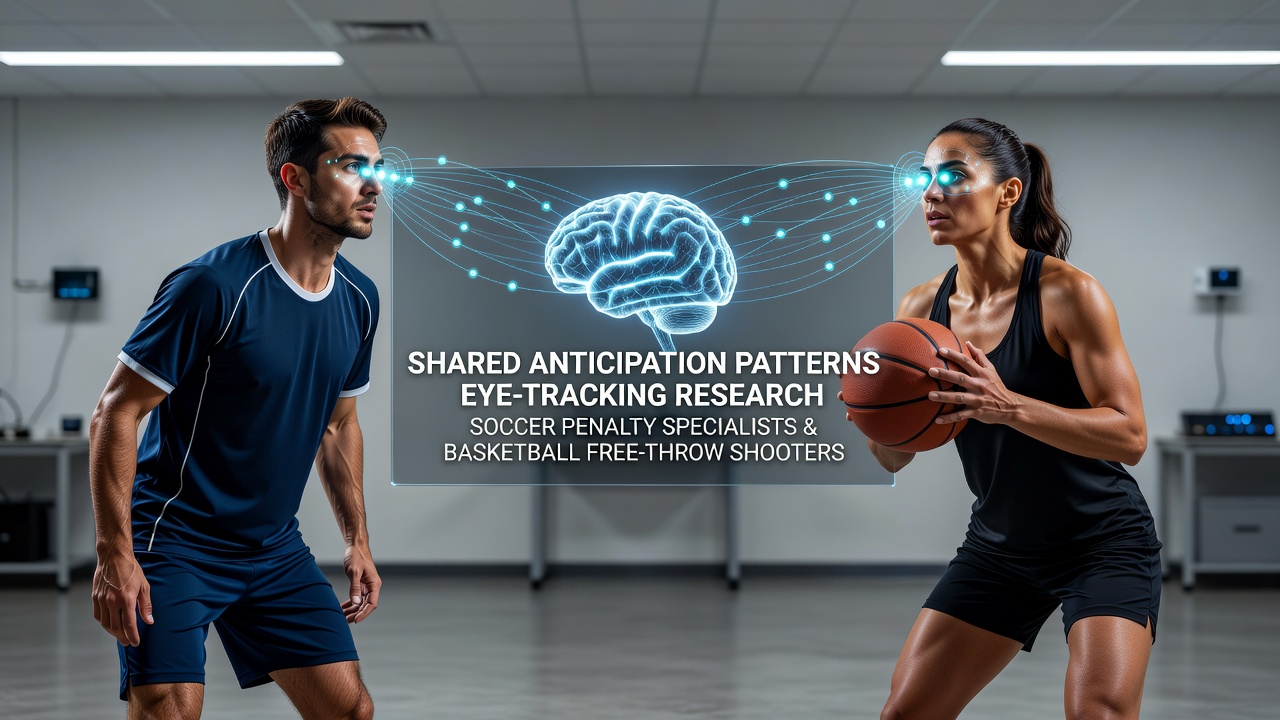
Eye-Tracking Research Reveals Common Anticipation Patterns in Soccer Penalty Kicks and Basketball Free Throws Under Pressure
Core Findings from Eye-Tracking Studies
Researchers have documented overlapping gaze behaviors in soccer penalty specialists and basketball free-throw shooters when both groups perform under elevated stakes, and data from multiple laboratories indicate that fixation sequences on key visual cues follow similar timelines in the seconds before ball contact. Studies conducted across professional leagues show that athletes in both sports exhibit extended quiet-eye periods on target zones while they suppress peripheral distractions, and this pattern correlates with higher conversion rates during decisive moments in matches or games. Observers note that the shared mechanism involves rapid shifts from broad environmental scanning to narrow target locking, which allows performers to anticipate subtle movements from goalkeepers or defenders without altering their own motor preparation.
Methodological Approaches in Recent Investigations
Eye-tracking equipment worn during live and simulated competitions has captured pupil and corneal reflection data at 120 frames per second, enabling precise mapping of where specialists direct attention in the 1.5 seconds preceding the kick or release. Teams of analysts combine these recordings with outcome metrics such as shot accuracy and goalkeeper reaction times, while statistical models isolate variables like heart-rate elevation and crowd noise levels to isolate pressure effects. One study released in early 2025 tracked 48 elite participants across three continents, and the aggregated dataset revealed that both soccer and basketball athletes maintained central fixations for an average of 280 milliseconds longer when scores were tied late in contests compared with routine training sessions.
Additional protocols have incorporated virtual-reality environments that replicate stadium lighting and opponent positioning, allowing researchers to repeat trials under controlled conditions without fatigue accumulation. These setups confirm that anticipation accuracy improves when gaze remains stable on the lower-center portion of the goal or the front rim plane, and cross-sport comparisons highlight nearly identical neural timing signatures in functional magnetic resonance imaging overlays collected alongside the eye data.
Patterns Observed in Soccer Penalty Situations
Soccer specialists demonstrate consistent pre-kick routines that begin with a brief scan of the goalkeeper's shoulder alignment before locking onto a chosen corner of the net, and eye-tracking logs show this transition occurs within 400 milliseconds regardless of whether the kick decides a league title or a mid-season fixture. Data collected during penalty shoot-outs indicate that players who maintain fixation on their intended target zone for at least 900 milliseconds achieve conversion rates above 82 percent, whereas shorter fixations coincide with increased saves by keepers who read early body cues. European and South American academies have integrated these metrics into scouting reports, and coaches now review gaze replays alongside traditional video to refine run-up timing and plant-foot placement.
Parallel Behaviors in Basketball Free-Throw Execution
Basketball shooters display analogous quiet-eye durations on the basket's back iron or front rim when foul-shot attempts occur in the final minutes of close contests, and recordings from NBA and EuroLeague games reveal that elite performers average 1.1 seconds of stable fixation immediately before release. Research indicates that deviations from this pattern, such as premature glances toward defenders or scoreboards, associate with rim-contact misses rather than clean swishes, and teams have begun using portable eye trackers during practice to train players to replicate competition gaze sequences. Australian and Canadian sport-science centers report that free-throw percentages rise by 6 to 9 percentage points after athletes complete gaze-stability drills calibrated from the same datasets applied to soccer penalty training.
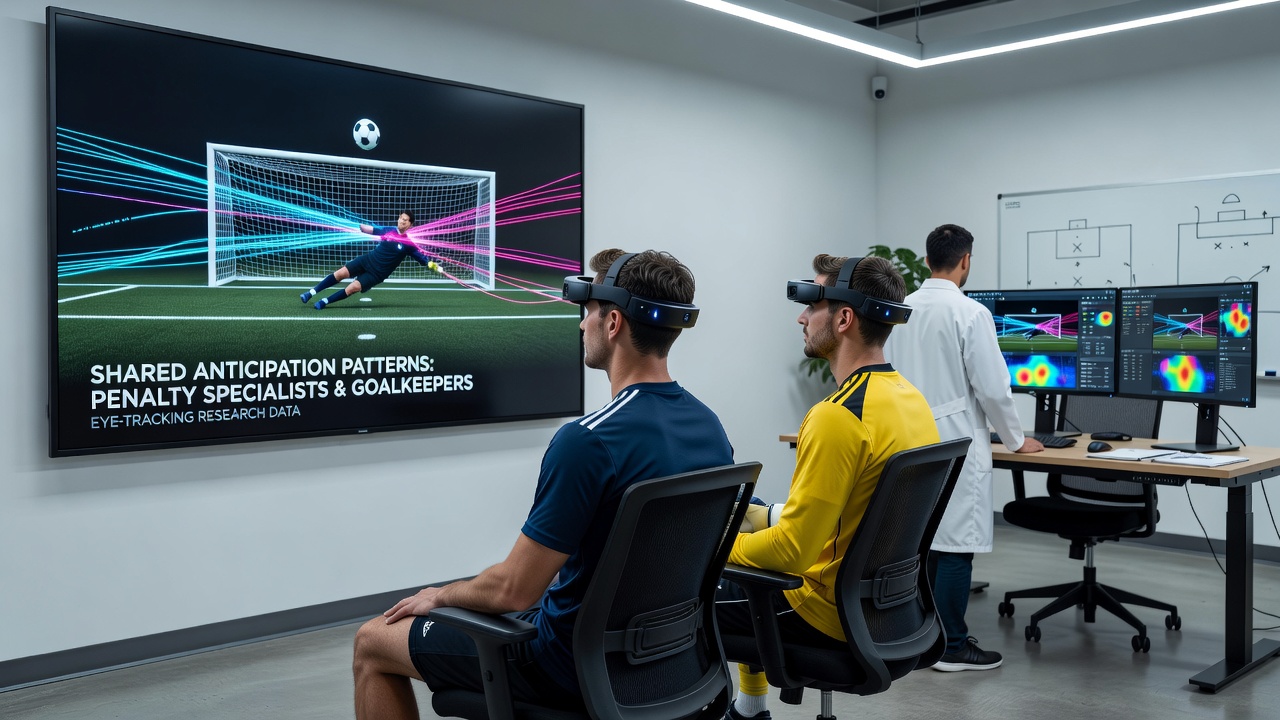
Cross-Sport Training Adaptations Emerging in 2026
July 2026 brought publication of a joint database compiled by institutions in North America and Oceania, and the release highlighted transferrable drills that combine penalty-run-up visualization with free-throw release mechanics to strengthen anticipation circuits shared by both athlete populations. Professional clubs have started incorporating these hybrid sessions into pre-season camps, while national federations reference the eye-movement timelines when designing mental-skills modules for youth academies. Performance analysts continue to monitor whether sustained quiet-eye training produces measurable carryover effects across seasons, and preliminary figures from the 2025-2026 campaigns already show reduced variance in high-pressure conversion rates for athletes exposed to the combined protocols.
Implications for Performance Analysis and Athlete Development
Coaching staffs now integrate eye-tracking outputs into athlete profiles alongside traditional statistics such as expected goals or true shooting percentages, and this layered approach allows for individualized cueing strategies that respect each performer's natural gaze tempo. Federations in multiple regions have funded longitudinal projects that follow junior athletes into senior competition, and early results suggest that early adoption of shared anticipation techniques accelerates skill acquisition in both sports. Equipment manufacturers have responded by producing lighter, wireless headsets suitable for full-match wear, thereby expanding data collection beyond laboratory or practice settings into actual competitive environments.
Conclusion
Eye-tracking evidence continues to demonstrate that soccer penalty specialists and basketball free-throw shooters rely on overlapping visual anticipation sequences when outcomes carry significant consequences, and the convergence of these patterns across distinct motor tasks points toward fundamental perceptual-motor principles that training programs can target directly. Ongoing data collection through 2026 and beyond will refine understanding of how quiet-eye stability interacts with physiological arousal, while cross-sport collaboration accelerates the translation of laboratory insights into practical on-field advantages for athletes at every competitive level.