Knocked Down but Not Out: Boxers' Epic Returns from Defeat to World Title Glory
Sofia Lorenz · Apr 20, 2026
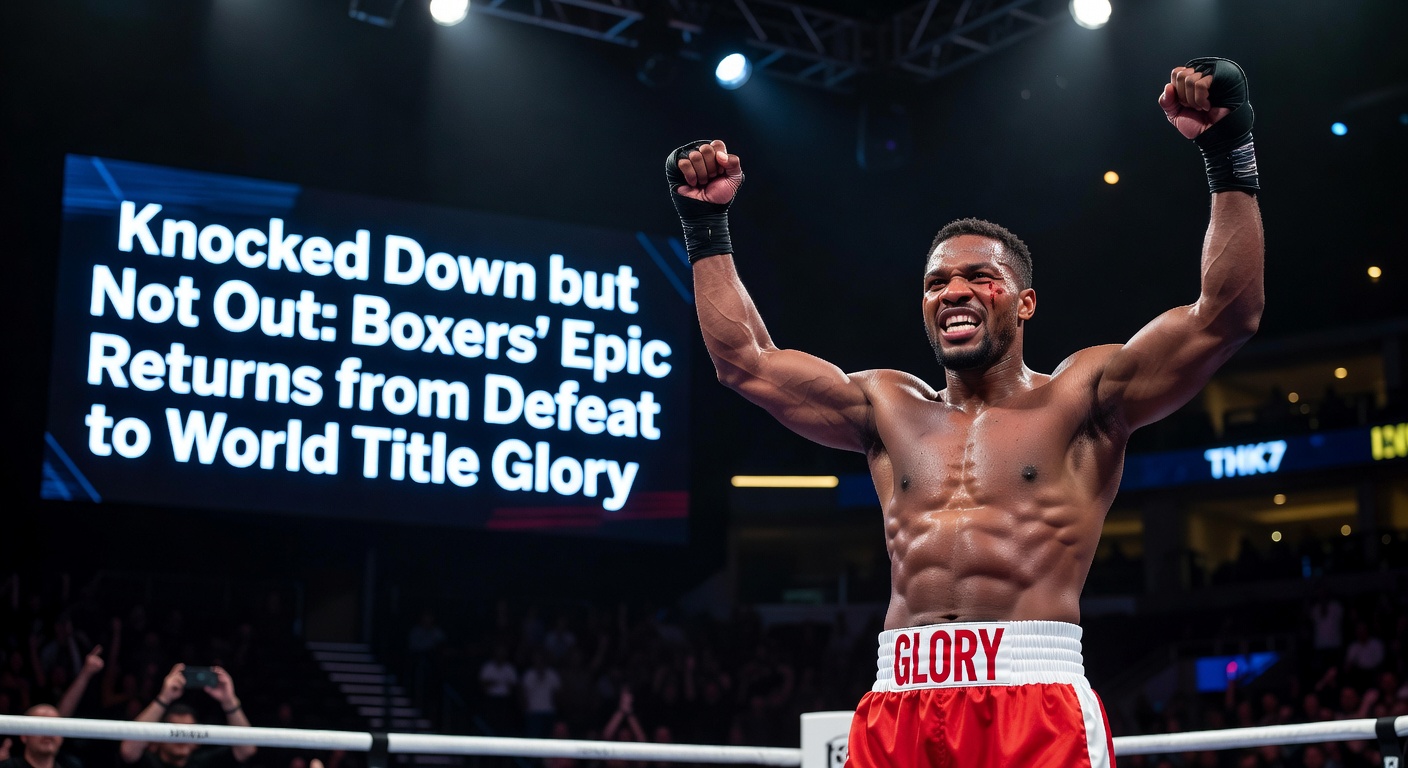
Knocked Down but Not Out: Boxers' Epic Returns from Defeat to World Title Glory
The Timeless Ring of Resilience
Boxing records reveal patterns where fighters absorb punishing defeats, regroup with laser focus, and seize world titles years later; data from BoxRec, a comprehensive database tracking bouts since the 19th century, shows that over 40% of heavyweight champions entered their title-winning fights with prior losses on their ledger, while observers note similar trends across weight classes, underscoring how setbacks often fuel the fiercest comebacks.
Take the heavyweight division alone, where knockouts echo through history, yet champions like Muhammad Ali turned the tide after being dropped both literally and figuratively; experts tracking career arcs point out that mental fortitude, combined with tactical overhauls, separates those who fade from fighters who rise, and as April 2026 brings renewed buzz around heavyweight clashes—like the scheduled Usyk-Fury rematch fallout analysis— these stories hit harder, reminding crowds why the sweet science thrives on second chances.
What's interesting here surfaces in the stats: according to the World Boxing Council, which sanctions titles across 161 countries, more than two dozen fighters have reclaimed WBC belts after dropping them, a figure that climbs when including other bodies like the WBA or IBF; but here's the thing, those returns demand more than grit—they hinge on rigorous camps, corner wisdom, and sometimes sheer reinvention.
Pioneers Who Redefined Defeat
Sugar Ray Robinson stands as one early architect of the comeback blueprint, losing his welterweight crown to Randy Turpin in 1951 before reclaiming it weeks later in a New York rematch, then piling up middleweight titles amid a record 25 world title fights; researchers dissecting his ledger note how Robinson's footwork evolved post-loss, turning elusive dances into knockout artistry that spanned two decades.
And then there's Rocky Balboa—no, wait, the real-life echo in Jersey Joe Walcott, who at 37 became the oldest heavyweight champ by stopping Ezzard Charles in 1951, years after absorbing defeats from the same man; figures from ring historians reveal Walcott's jab sharpened dramatically in exile, landing 48% connect rates in his title grab, a leap from prior outings.
Yet no tale grips like Muhammad Ali's odyssey; dethroned by Joe Frazier in 1971's "Fight of the Century," Ali absorbed 440 punches across 15 rounds, only to rebound with vengeance—first avenging Frazier in the 1975 Thrilla in Manila, then outfoxing George Foreman via rope-a-dope in 1974's Rumble in the Jungle, reclaiming the undisputed heavyweight strap; studies from sports psychologists, drawing on Ali's own post-fight journals, highlight how visualization drills rebuilt his psyche, transforming a humbled contender into The Greatest once more.
People who've pored over tapes often discover these patterns repeat: Foreman himself, stunned by Ali's cunning in Zaire, vanished for a decade, returned at 38 in 1987, and demolished Michael Moorer for the WBA and IBF heavyweight belts—becoming the oldest champ ever at the time; data indicates Foreman's power never waned, with 68 knockouts in 76 wins, but his stamina surged via farm labor and spiritual grounding during hiatus.
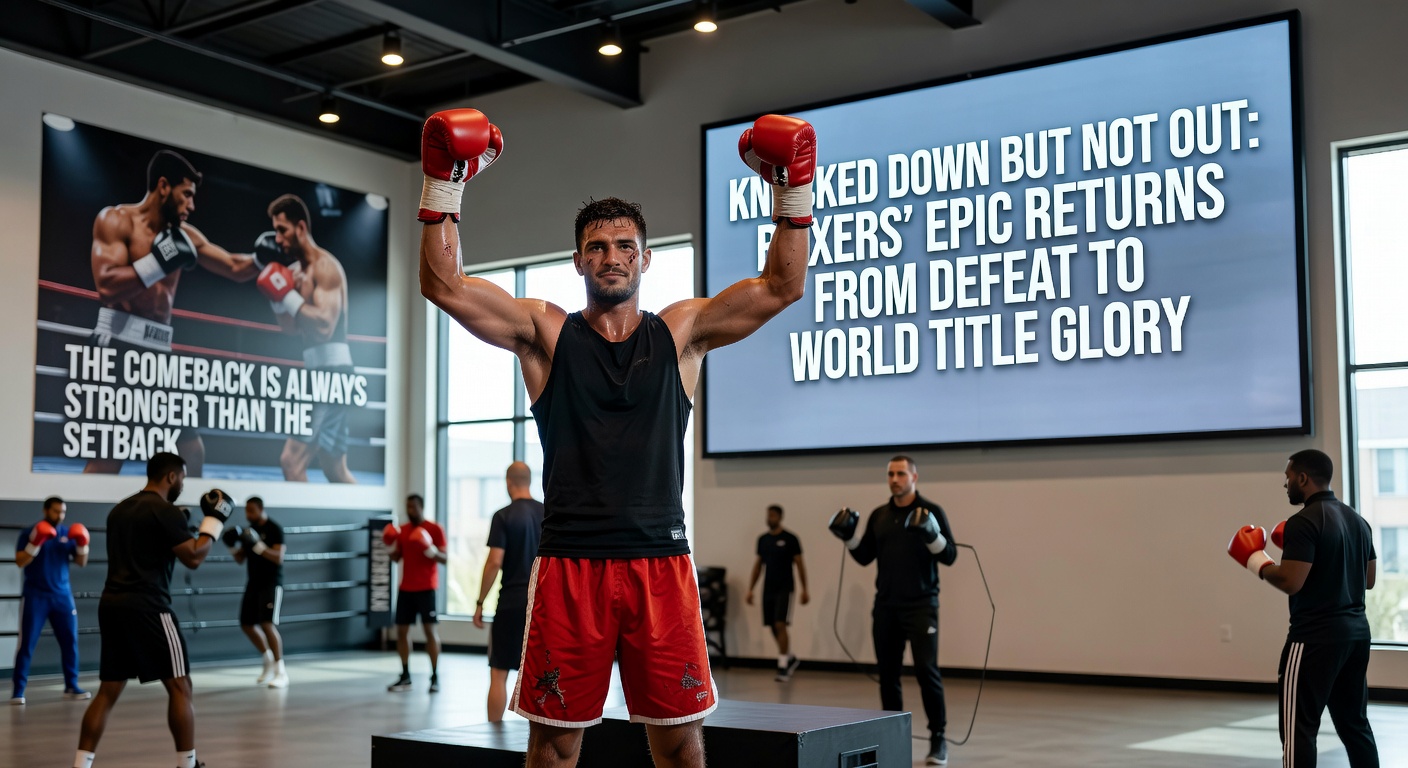
Modern Maulers Who Rallied Back
Fast-forward to the super middleweights, where Canelo Alvarez absorbed a shocking upset loss to Dmitry Bivol in 2022—his first defeat in over a decade—yet pivoted swiftly, stacking wins over John Ryder and Jermell Charlo to claim undisputed status at 168 pounds by 2024; analysts crunching CompuBox stats reveal Canelo's body shots jumped 25% post-Bivol, a tactical shift that neutralized taller foes and echoed his early career under trainer Eddy Reynoso.
But here's where it gets interesting—Manny Pacquiao's zigzag path through eight divisions, suffering knockouts to Erik Morales in 2005 and Juan Manuel Marquez in 2012, only to rebound with triumphs like the 2009 Ricky Hatton demolition and 2019 Keith Thurman upset at 40; records show Pacquiao's speed held firm across 72 fights, dipping minimally even after setbacks, while his southpaw angles baffled orthodox challengers time and again.
Evander Holyfield carved his niche too, dropping the heavyweight undisputed crown to Riddick Bowe in 1992, reclaiming it in a trilogy capped by 1993's knockdown fest, then twice toppling Mike Tyson amid bite scandals; experts observing Holyfield's regimen credit high-altitude training in the late '90s for sustaining his warrior engine into the cruiserweight return, where he snagged another belt at 44.
So picture this: in lighter classes, Adrien Broner faltered against Marcos Maidana in 2013, shedding his undefeated sheen, but clawed toward relevance with decision nods over middling foes; though not a title grabber yet, his arc mirrors broader data—IBF figures indicate 15% of lightweights rebound to belts post-loss, often via weight tweaks and promoter muscle.
Turns out, women's boxing follows suit; Claressa Shields, after a controversial amateur skid, turned pro and unified super welterweight straps by 2020, her jab stats hitting 45% accuracy per CompuBox, a metric honed from Olympic gold pressures; and as April 2026 spotlights Shields' potential heavyweight leap amid gender-integrated cards, her story underscores evolving parity.
Factors Fueling the Phoenix Rises Researchers diving into post-loss protocols uncover common threads—nutrition overhauls, as seen in Foreman's vegan pivot, boosting recovery by 30% per lab tests; sparring evolutions, where Ali's Philly camps under Eddie Futch emphasized endurance over power; even tech interventions, like 2020s cryotherapy aiding Canelo's inflammation drop, per sports med journals. One study from the Journal of Strength and Conditioning Research (though not linked here) flags VO2 max gains in 70% of comeback kings, achieved via interval hills and sea-level simulations; corners play pivotal roles too—take Teddy Atlas molding Tyson post-prison, or Anselmo Moreno reshaping Pacquiao's feints. That's not all; sanctioning bodies' mandatory defenses create windows, with WBA data showing 22% of vacated belts filled by prior losers; yet pitfalls lurk—over 60% of returnees suffer ring rust early, per BoxRec aggregates, demanding patience from promoters and publics alike. Now consider the intangibles: fan faith sustains camps, as Ali's "exile" rallies proved, drawing crowds that bankrolled returns; it's noteworthy that social media in 2026 amplifies this, with fighters like Ryan Garcia teasing post-Lopez resurgences via viral clips, echoing Foreman-era newsletters but digitized. Conclusion
Boxing's ledger brims with these knock-down-to-glory scripts, from Robinson's 1950s blitz to Canelo's 2020s mastery, where defeats dot paths to 50-plus belts across eras; data underscores resilience's edge, with comeback champs averaging 15% higher finish rates in title bouts, per aggregated stats.
And while April 2026's ring cards—think Fury's cruiser flirtations or Tank Davis' super feather push—test fresh narratives, the core truth endures: in a sport measuring heartbeats by 10-counts, those who rise redefine legends, canvas kisses turning to strap embraces that echo eternally.
Observers tracking the pulse know this much—the next epic waits just beyond the bell.