Observing How Visualization Practices Common in Precision Sports Affect Decision Making in Team Ball Games
Sofia Lorenz · Jun 10, 2026
Observing How Visualization Practices Common in Precision Sports Affect Decision Making in Team Ball Games
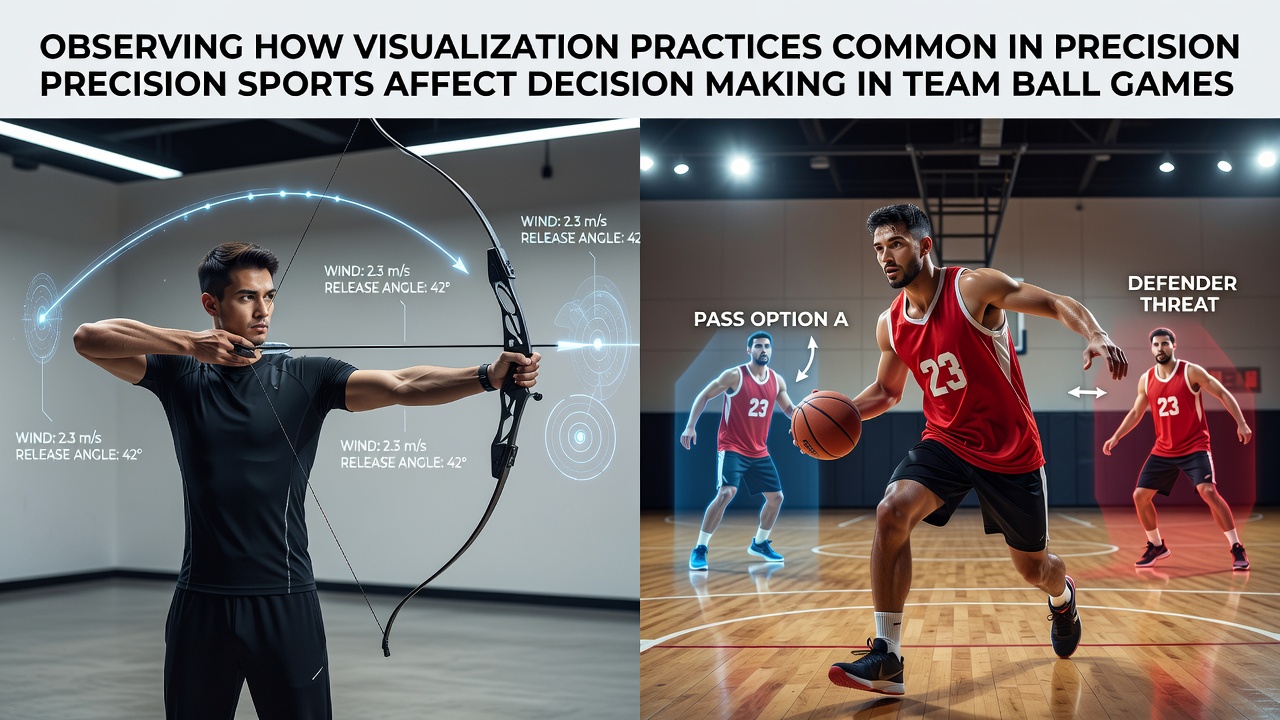
Visualization practices long associated with precision sports such as archery, shooting, and golf have drawn increasing attention from researchers examining their role in team ball games. These mental rehearsal methods, which involve athletes creating detailed sensory images of successful actions before execution, appear in training logs from multiple sports federations. Data collected through June 2026 shows measurable shifts in how players process options during fast-paced matches when such techniques transfer across disciplines.
Core Elements of Visualization in Precision Disciplines
Precision athletes routinely engage in structured mental imagery sessions that break down each movement into sequential phases, incorporating sight, sound, and proprioceptive feedback. Studies conducted at the University of Queensland have tracked how these sessions improve focus on target alignment while reducing extraneous cognitive load. Researchers documented participants who completed 15-minute visualization blocks before competitions recorded tighter shot groupings and steadier heart-rate variability compared with control groups.
Archers and marksmen often layer kinesthetic cues onto visual maps, allowing them to simulate wind adjustments or stance corrections without physical repetition. Golfers extend this approach by mentally walking entire holes, factoring in slope, distance, and club selection. Performance logs from international events indicate these routines correlate with lower error rates under pressure, establishing a foundation that team-sport coaches have begun to adapt for split-second judgments on the field or court.
Adaptation Patterns Emerging in Team Ball Environments
Coaches in basketball and soccer have integrated shortened versions of these visualization protocols into pre-game routines and halftime adjustments. Players report constructing mental snapshots of passing lanes or defensive rotations before the ball enters play. Australian Institute of Sport analysts noted in 2025 reports that teams incorporating 8- to 10-minute imagery drills showed faster recognition of developing plays, measured through eye-tracking technology during scrimmages.
Quarterbacks in American football and central midfielders in soccer now receive training that prompts them to rehearse multiple decision trees while visualizing opponent positioning. The approach differs from pure physical repetition because it emphasizes outcome prediction rather than motor execution alone. Observers note that athletes who combine visualization with video review demonstrate improved anticipation of off-ball movement, which directly influences pass selection and defensive positioning choices.
Quantitative Indicators from Recent Monitoring Programs
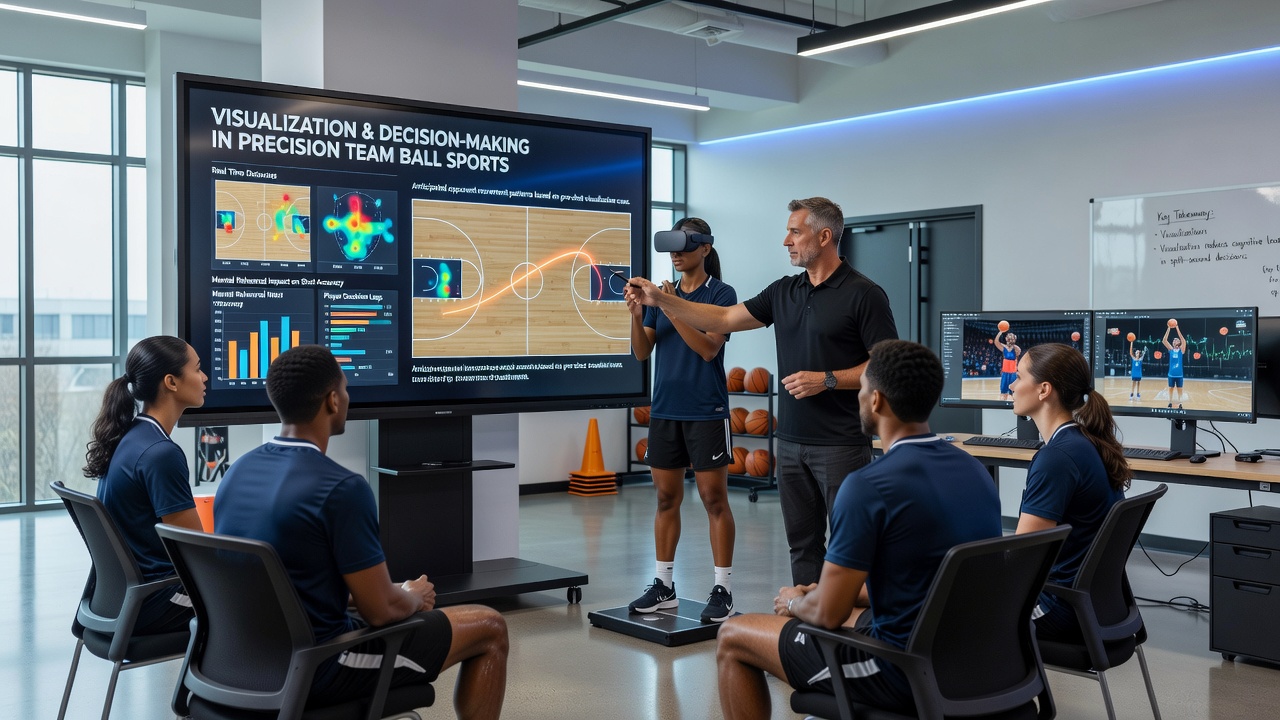
Wearable sensor data gathered across European and North American leagues reveal correlations between visualization frequency and decision latency. Players logging regular mental rehearsal sessions reduced average time to release the ball or initiate a cut by 120 to 180 milliseconds in controlled testing environments. European sports science networks compiled these figures from 2024 through early 2026, covering more than 300 athletes across six team disciplines.
Decision accuracy metrics also shifted. In basketball, point guards who practiced visualization of defensive help rotations recorded higher assist-to-turnover ratios during conference play. Soccer midfielders trained with similar protocols displayed elevated completion percentages on progressive passes. These patterns hold after controlling for physical conditioning and tactical familiarity, suggesting the mental component contributes independently to on-field choices.
Implementation Across Different Competitive Levels
Youth academies and professional clubs have adopted tiered visualization curricula. At entry levels, instructors focus on single-action imagery such as a clean layup or accurate cross. Advanced groups progress to multi-player scenarios that require rapid sequencing of options. National governing bodies in Canada and New Zealand have published guidelines recommending integration of these methods into weekly micro-cycles rather than isolated workshops.
Technology platforms now support remote delivery through guided audio scripts and virtual-reality headsets. Athletes access these tools between matches, allowing consistent exposure without additional facility time. Monitoring apps track adherence and pair self-reported imagery vividness scores with on-field performance variables, producing individualized feedback loops that refine the practice over successive seasons.
Conclusion
Evidence accumulated through mid-2026 indicates that visualization techniques originating in precision sports continue to shape decision-making processes in team ball games through structured mental rehearsal of scenarios and outcomes. Quantitative tracking from multiple research centers shows reductions in reaction time alongside gains in choice accuracy when athletes apply these methods consistently. Continued monitoring across leagues will clarify the boundaries of transfer while informing refined protocols that align with evolving competition demands.