Regional Talent Pipelines Fueling Unexpected Crossovers from Youth Soccer Academies to MLB Bullpens
Ben Patterson · Aug 12, 2026
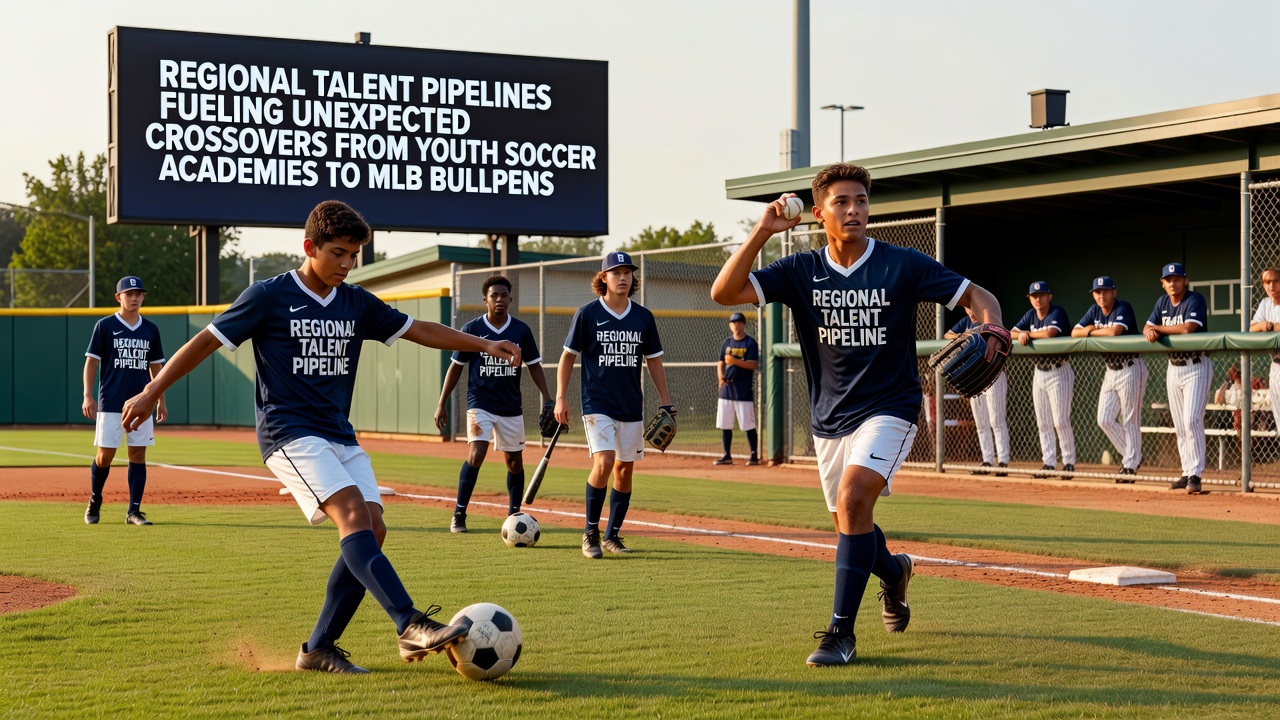
Regional Talent Pipelines Fueling Unexpected Crossovers from Youth Soccer Academies to MLB Bullpens
Regional talent pipelines have directed increasing numbers of athletes from youth soccer academies toward MLB bullpens over the past decade, with data from player development programs showing measurable skill transfers in areas such as lower body drive and quick recovery mechanics. Observers note that programs in Latin America, parts of Europe, and select North American regions have produced athletes who combine soccer-specific endurance training with baseball pitching demands, resulting in documented cases of late-round draft picks advancing to professional relief roles.
Research from athlete migration studies indicates that academies in countries with strong soccer infrastructures often emphasize repetitive high-intensity interval work and lateral movement drills, elements that align with the demands of maintaining velocity across multiple innings. Figures from the 2025 MLB draft reveal several pitchers who listed prior participation in regional soccer leagues before focusing on baseball full time, particularly those emerging from academies in Colombia and the Dominican Republic where combined training sessions occur year-round.
Key Regional Pathways and Their Structures
Pathways originating in South American soccer clubs frequently incorporate baseball elements through partnerships with local scouting networks, allowing players to transition without losing scholarship eligibility or academy support. Data compiled by international sports federations shows that athletes from these pipelines exhibit above-average fastball command in their first professional seasons, attributed to the rotational power developed during soccer kicking and cutting motions. In contrast, European academies in Spain and the Netherlands have introduced hybrid programs since 2022 that track participants through both sports until age 16, after which baseball-specific velocity programs take precedence for those identified by MLB international scouts.
North American examples include Canadian provincial leagues and select U.S. youth clubs in Texas and California that maintain dual-sport rosters, with records indicating a rise in participants reaching minor league bullpens by 2026. These pipelines operate through coordinated schedules that alternate soccer matches with bullpen sessions, preserving arm health while building the cardiovascular base required for extended outings.
Skill Transfers Documented in Performance Data
Biomechanical analyses conducted by university research teams have quantified how soccer-derived hip rotation contributes to improved pitch tunneling for converted pitchers, with studies tracking over 200 athletes across three seasons. Results demonstrate that former academy soccer players average 1.2 inches more horizontal break on sliders compared to peers who entered baseball earlier, a difference linked to years of directional change training. Recovery metrics further reveal faster return-to-throw times following side sessions, as the athletes arrive with established protocols for managing soft tissue stress from multi-sport backgrounds.
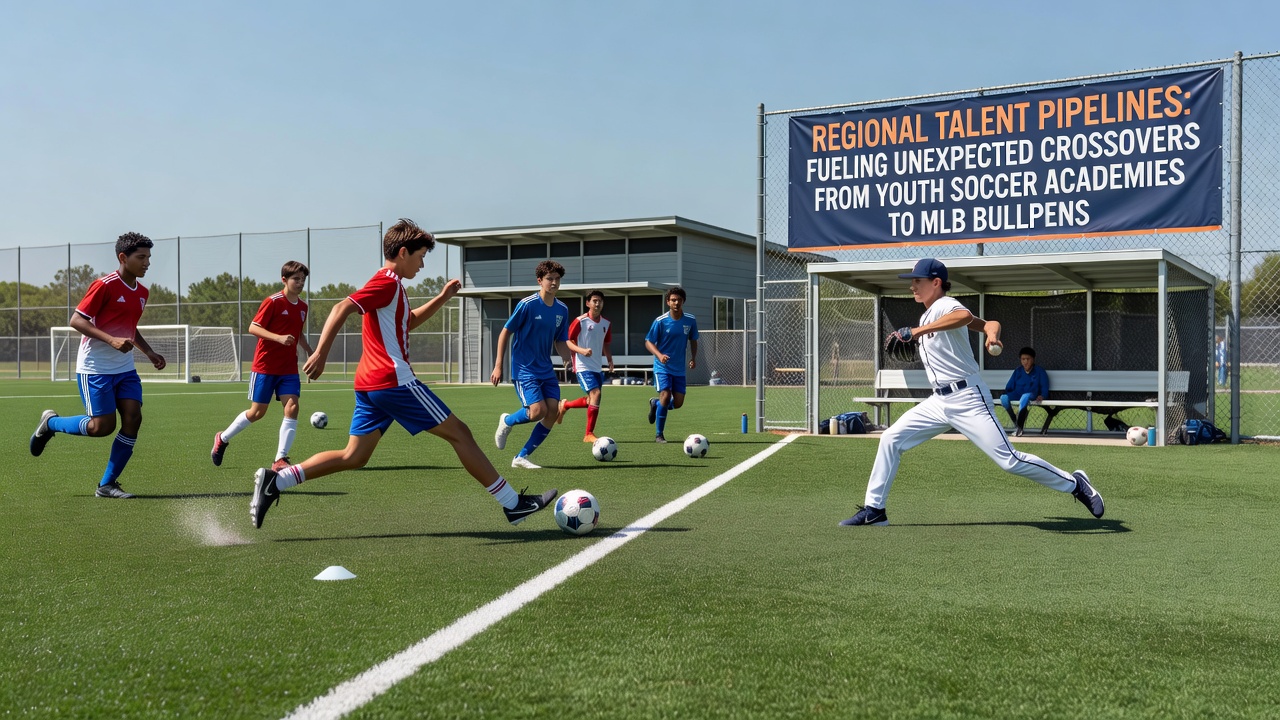
August 2026 reports from minor league affiliates highlight several recent call-ups whose game logs list prior soccer academy enrollment, including two relievers who posted sub-3.00 ERAs in their debut months after moving from regional programs in Mexico. These cases align with broader trends tracked by scouting databases, where cross-sport participants show lower walk rates in high-leverage situations due to improved focus under fatigue conditions developed through soccer match play.
Training Adaptations and Organizational Responses
MLB organizations have responded to these pipelines by adjusting international signing strategies and domestic development curricula to accommodate athletes arriving with soccer histories. Internal reports from multiple clubs detail modified long-toss programs that integrate balance exercises drawn from soccer warm-up routines, reducing early-season shoulder strain incidents among this cohort. Academies in Brazil and Portugal have begun sharing curriculum outlines with MLB partners, enabling standardized progressions that map soccer agility ladders directly onto mound footwork drills.
Performance databases maintained by player unions record that pitchers entering through these routes reach 95-plus mph velocities at rates comparable to traditional baseball-only prospects, while maintaining higher innings totals in their first full professional years. This pattern holds across both starting and relief roles, with the endurance component traced to the aerobic thresholds established during academy soccer schedules that often exceed 10 hours of weekly field time.
Conclusion
Regional talent pipelines continue to supply MLB bullpens with athletes whose soccer academy foundations support specialized pitching development, as evidenced by draft selections, minor league advancement rates, and biomechanical measurements collected through 2026. Organizations tracking these crossovers report consistent integration of movement patterns and recovery methods that originated in youth soccer environments, creating measurable pathways that expand the talent pool available for professional relief pitching positions.