Regional Training Clusters Fueling Success Across Soccer Leagues and Olympic Track Events
Avery Patterson · Jul 8, 2026
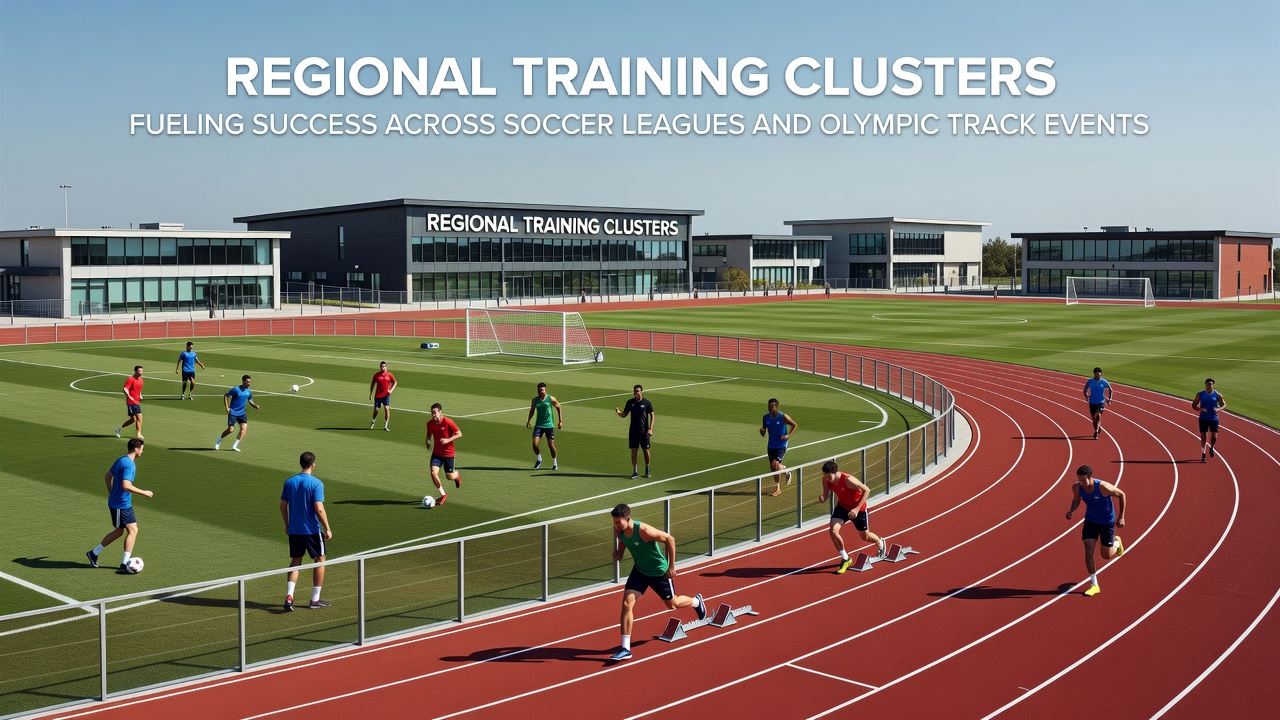
Regional Training Clusters Fueling Success Across Soccer Leagues and Olympic Track Events
Regional training clusters have emerged as structured environments where athletes in soccer leagues and Olympic track events share facilities, coaching staff, and data-driven protocols, and these setups concentrate resources in specific geographic areas that align with local talent pipelines. Observers note that such clusters often develop around established clubs or universities, allowing for consistent access to specialized equipment while fostering daily interactions between soccer players focused on tactical drills and track athletes emphasizing speed and endurance work. Data from performance tracking systems shows that clusters in western Europe have supported elevated pass completion rates among midfielders in domestic leagues, whereas similar groupings in East Africa have contributed to record times in middle-distance events at international meets. Researchers at institutions like the Australian Institute of Sport have documented how shared physiological testing protocols transfer across disciplines, enabling adjustments in training loads that reduce injury rates during high-volume periods.Development Patterns in European Soccer Regions
Clusters centered in industrial cities across Germany and the Netherlands integrate youth academies with senior squad preparation, and this arrangement permits seamless progression for players who later feature in top-flight matches. Figures from league databases indicate that academies within these zones produce higher numbers of players reaching 90-minute starting roles compared with isolated programs, partly because daily exposure to elite-level conditioning staff refines recovery routines.
Coaches within these environments coordinate periodization plans that balance match schedules with individual development cycles, and the proximity allows for real-time feedback loops where video analysis from weekend fixtures informs midweek track-based speed sessions. One study conducted through partnerships with regional federations found that players emerging from these clusters maintained lower heart-rate variability markers during congested fixture periods in 2025 seasons.
Track and Field Concentrations in East Africa and North America
High-altitude regions in Kenya and Ethiopia have long hosted training clusters where distance runners log weekly mileage on varied terrain, and these groups now incorporate cross-training elements borrowed from soccer warm-up routines to enhance lateral stability. Performance records from world championships demonstrate sustained dominance in events from 1500 meters to the marathon, with cluster participants accounting for the majority of top-10 finishes in recent cycles.
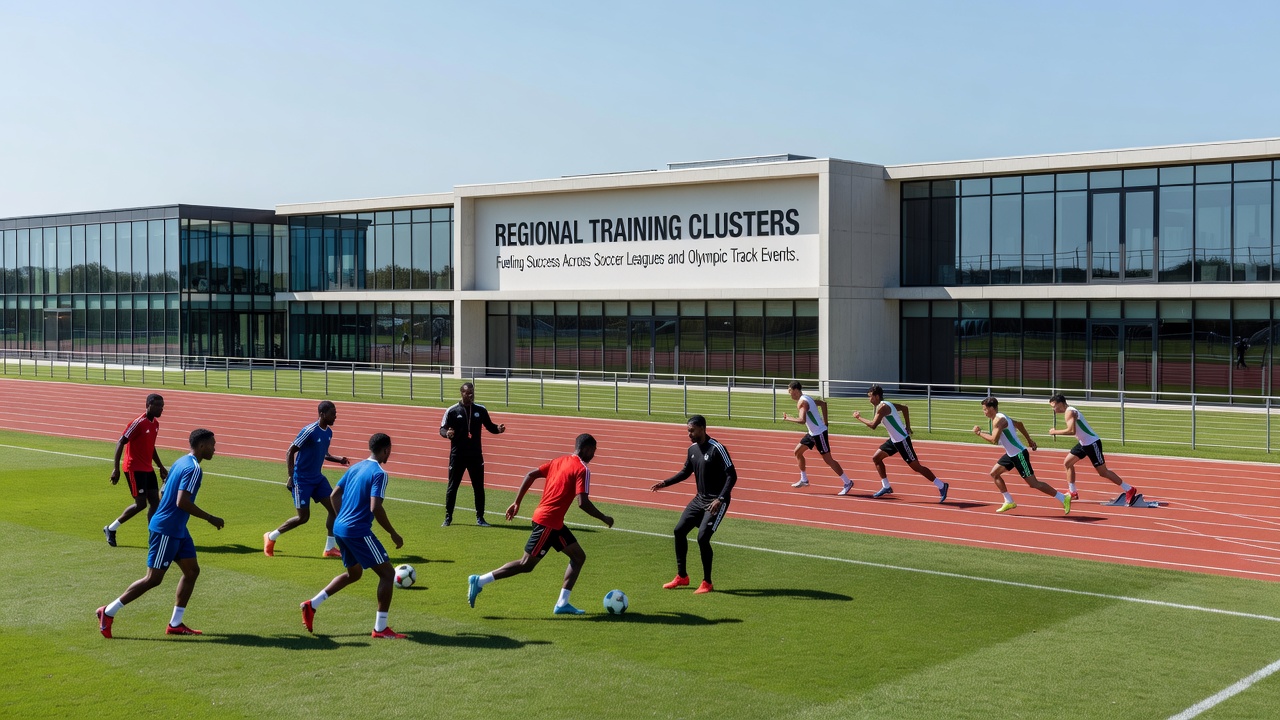
In the United States, university-linked clusters around the Pacific Northwest and Southeast combine track programs with nearby professional soccer academies, and this setup facilitates joint sessions on agility ladders and plyometric circuits. According to reports compiled by the International Olympic Committee, athletes training in these environments showed measurable gains in 400-meter split times that carried over into improved recovery during back-to-back competition weeks.
Shared Methodologies and Data Integration
Clusters frequently employ unified monitoring platforms that track metrics such as ground contact time and force production, allowing coaches to compare outputs between soccer-specific sprints and track interval work. Evidence gathered through longitudinal studies reveals that athletes who rotate through multi-sport sessions within these hubs exhibit improved decision-making speed during high-pressure scenarios, whether on the pitch or the oval.
During July 2026, several clusters across North America and Europe have scheduled joint camps ahead of the FIFA World Cup and continental track championships, and these events bring together specialists who refine load-management algorithms based on aggregated datasets from prior seasons. Such timing aligns with pre-competition windows where fine-tuning becomes critical, and participants benefit from exposure to varied environmental conditions within a single facility footprint.
Geographic and Institutional Factors
Funding models differ by region yet consistently prioritize infrastructure that supports both team and individual sports, and government allocations in Canada and Australia have supported construction of multi-use domes that extend training availability during adverse weather. This infrastructure investment correlates with increased representation of cluster-trained athletes on national rosters for Olympic qualification events.
Industry organizations tracking talent pathways report that clusters reduce logistical barriers for support staff, enabling nutritionists and physiologists to serve larger cohorts efficiently while maintaining sport-specific customization. Data compiled through academic partnerships continues to highlight correlations between cluster residency duration and career longevity across both soccer and track disciplines.
Conclusion
Regional training clusters continue to shape outcomes in soccer leagues and Olympic track events through concentrated expertise and integrated protocols, and ongoing data collection from multiple continents supports their role in performance optimization. As preparations intensify through mid-2026, these environments remain central to how athletes prepare for sustained competition demands at the highest levels.